Managed Support
Connect device issues with a clear support process.
Monitoring is only useful if someone acts on it. We are developing a managed support service that turns device events into tracked incidents — assessed, diagnosed, resolved and reported against agreed service levels.
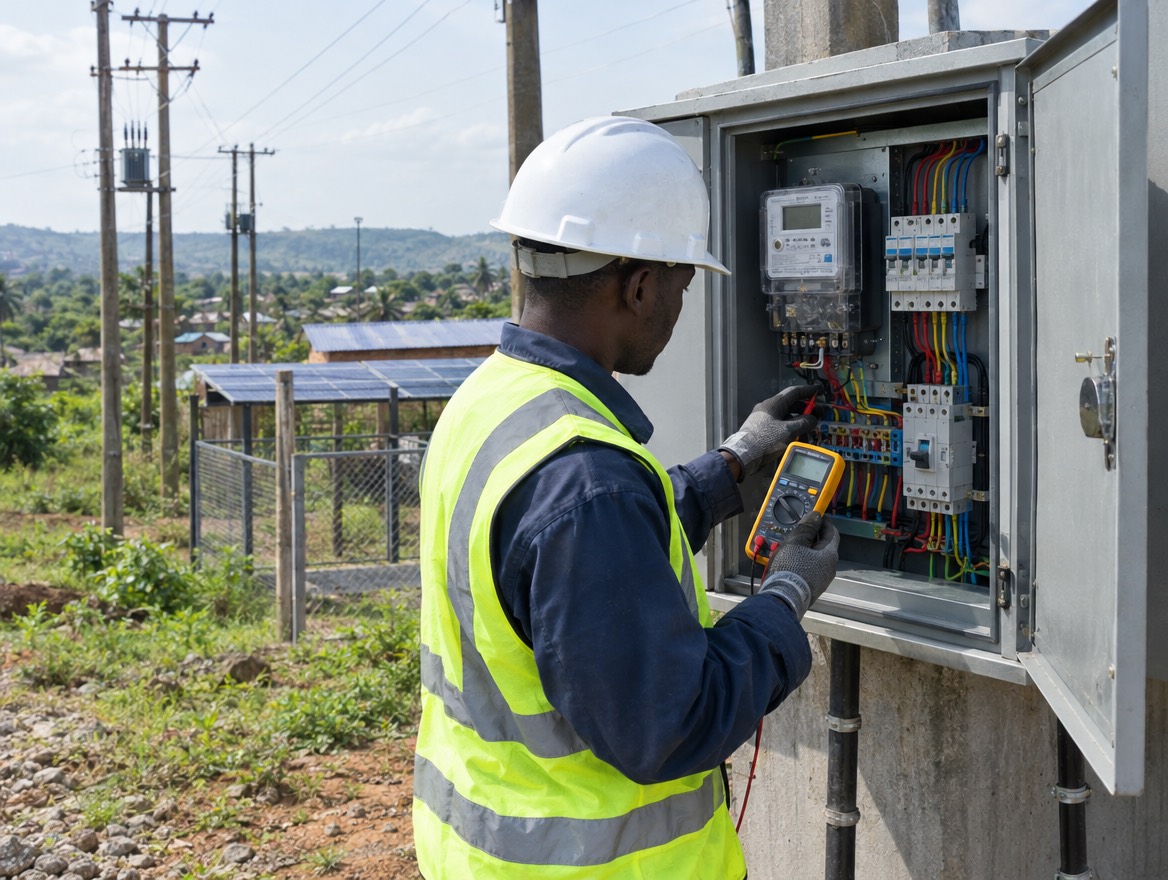
What the service covers
-
Device monitoring
Initial focus · in developmentWatching supported meters and devices for communication loss and, where devices report them, fault events and abnormal readings.
-
Incident management
Initial focus · in developmentEvery issue raised as an incident with a priority, an owner and a status, so nothing relies on memory or a chat thread.
-
Remote diagnostics
Integration dependentInvestigating a fault remotely where the device and its communication link technically support it — reducing unnecessary site visits.
-
Field-service coordination
PlannedArranging approved field partners when a site visit is needed, and tracking the visit through to resolution. Field-partner arrangements are agreed per engagement.
-
SLA reporting
PlannedRegular reports on incidents against the service levels agreed with you, showing response and resolution times separately.
The intended workflow
Detect
A supported event is detected — for example, a meter stops communicating — or a customer reports a problem.
Assess
We check the event against recent data to judge its likely cause and priority.
Raise and assign
An incident is raised and assigned to the right person, with its priority and context attached.
Diagnose remotely
Where the device supports it, we investigate remotely before anyone travels.
Coordinate field work
If a visit is needed, we coordinate an approved field partner and share what we know.
Resolve and report
We track the incident to resolution and report it against the agreed service levels.
Illustrative incident history and SLA report
Fictional incidents and example targets showing how reporting could look.
| Reference | Event | Priority | Response time | Resolution time | Path | Status |
|---|---|---|---|---|---|---|
| DEMO-INC-0101 | Meter not communicating | Medium | 25 min | 1 day 3 h | Remote diagnosis, then field visit | Resolved |
| DEMO-INC-0102 | Low voltage reported at feeder | High | 12 min | 3 h 40 min | Field partner dispatched | Resolved |
| DEMO-INC-0104 | Inverter fault code | High | 18 min | 55 min | Remote diagnosis and reset | Resolved |
| DEMO-INC-0106 | Customer reports no display | Low | 1 h 10 min | — | Awaiting field visit | Open |
Response time runs from an incident being raised to it being acknowledged and assigned. Resolution time runs until the issue is fixed and confirmed.
| Measure | Example target | Sample period |
|---|---|---|
| Response time — high priority | Within 30 min | 2 of 2 within target |
| Response time — medium/low | Within 2 h | 2 of 2 within target |
| Resolution time — high priority | Within 8 h | 2 of 2 within target |
| Resolution time — medium/low | Within 3 days | 1 resolved within target, 1 open |
Example targets only. Real service levels, coverage hours and regions are agreed per engagement.
Agreed per engagement
Support is scoped to each customer. Before any engagement we agree:
- coverage hours
- response and resolution targets by priority
- supported regions and sites
- field-partner arrangements and responsibilities
- which devices and events are monitored
We do not currently offer nationwide or 24/7 coverage. We will only commit to service levels we have the capacity to meet.
Tell us what support you need
Describe your sites, devices and current support arrangements, and we will explain what we could take on.